- Shop All Documents + Bundles
- FORS V7.1 Document Bundle | Bronze (15 Policies)
- Transport Manager Compliance Pack (10 Policies)
- Transport Manager Compliance Pack (6 Policies)
- Health & Safety Policy Template
- Fuel, Emissions And Air Policy Template
- Operational Security Policy Template
- Serviceability And Roadworthiness Policy Template
- Road Traffic Collision Policy Template
- Counter Terrorism Policy Template
- Load Safety Policy Template
- Vehicle Routing And Scheduling Policy Template
- Driving Standards Policy Template
- Driving Hours Policy Template
- In Cab Technology Policy Template
- Passenger Safety Policy Template
- Complaints And Grievances Policy Template
- Drug And Alcohol Management Policy Template
- Hazard And Risk Identification Policy Template
- VOR (Vehicle Off Road) Policy Template
- Tyre + Wheel Policy Template
- Health & Eyesight Policy Template
- Transport Infringement Policy Template
- Walk Around Check (Defect Check) Tool Box Talk Template
- Transport Manager CV Template
- Social Media Policy Template
- Transport Manager Contract Template
- External Transport Manager Contract Template
- Driver Handbook
What Really Happens During a DVSA Audit?

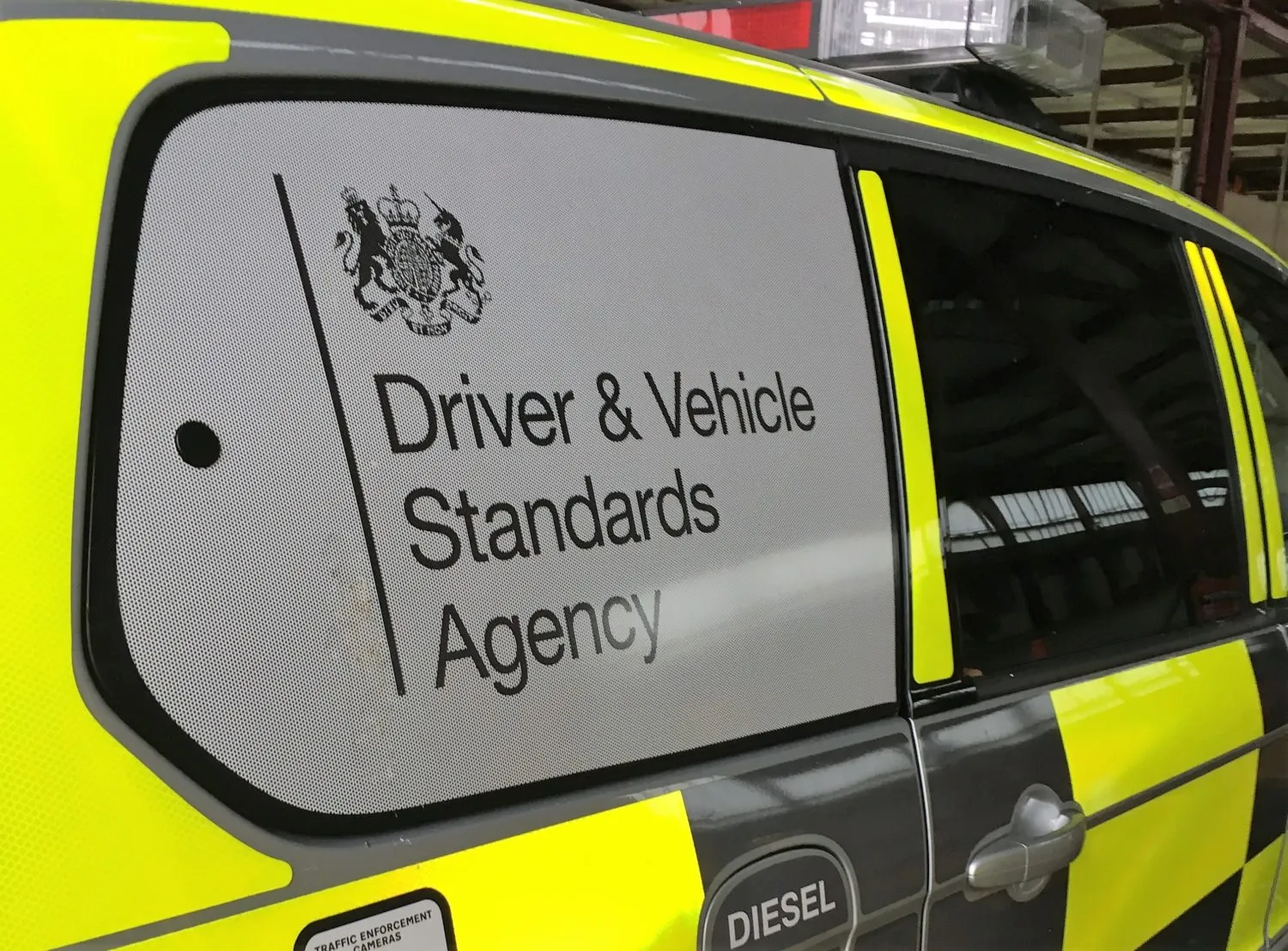
If you work in transport or run an operator licence, the words “DVSA audit” can make your stomach drop a bit. It’s one of those things everyone’s heard about, but not everyone really understands until they’ve been through it.
The truth is, a DVSA audit isn’t there to catch you out for the sake of it. It’s about making sure you’re running safely, legally, and in line with your operator licence. That said, if your systems aren’t in order, it will show. There are a few reasons you’re being audited, which could include:
- You’re a new operator with little experience
- You applied to change your operator’s licence recently
- There’s been a complaint (Think drivers / the public)
- You’ve had an “S” marked prohibition
- Your OCRS score falls into amber or red
- The MOT pass history is below the national average
Here’s a straightforward look at what happens when the DVSA comes knocking.
The E-mail (or Call) That Starts It All
Most audits don’t happen out of the blue. You’ll usually get a letter or sometimes a call, letting you know that your business has been selected for an audit. They’ll give you a date and a list of documents they want to see. On some occasions, audits can be unannounced, so always be prepared.
This is your first warning sign, and your first opportunity to get organised. If your transport manager and the operations are on top of things, this should be an easy task.
Some operators panic at this stage, but honestly, if your records are up to date, it’s more about gathering everything together than scrambling to fix things at the last minute. Ensure the documents requested are sent by the deadline. Not doing this immediately indicates that you may not be organised, or even worse, trying to hide something.
Also, honesty is always the best policy. If there are gaps, be honest and start the process of getting them fixed. Showing you are proactively trying to fix things goes a long way.
What They’re Looking At
A DVSA audit isn’t just one thing; it’s a full review of how you run your transport operation. The main areas they usually focus on include:
- Driver hours and tachographs – Are your drivers sticking to the rules? Are you checking for infringements and briefing them accordingly?
- Vehicle maintenance – Inspection schedules, defect reporting, MOT history & brake testing.
- Operator licence compliance – Are you doing what you said you would when you got your licence, such as using your named operating centre?
- Driver records – Licences, CPCs, right-to-work checks.
- Systems and processes – Not just paperwork, but how you manage things day-to-day.
They’re not just ticking boxes, they’re looking for patterns. One missing document isn’t the issue. A system that consistently fails is.
The Audit Day Itself
On the day, the DVSA examiner will either come to your premises or conduct the audit remotely. In-person audits are more common for larger or higher-risk operators.
It’s not as intimidating as people expect. They’ll introduce themselves, explain what they’re doing, and then start working through your records.
Expect them to:
- Ask questions about how your operation runs
- Review your documents in detail
- Cross-check records (for example, tachograph data against driver schedules)
- Look for evidence that you’re actively managing compliance, not just storing paperwork
- It’s likely the inspector will want to inspect a vehicle (or several vehicles) if it’s a large fleet.
One thing that catches people out is this: they don’t just want to see documents; they want to see that you understand them.
The Questions You Might Not Expect
You might think it’s all paperwork, but a lot of the audit is conversation.
They may ask things like:
- “What do you do when a driver has an infringement?”
- “How do you make sure daily walkaround checks are done properly?”
- “Who reviews maintenance records, and how often?”
- “Do you know how to read a brake rest report?”
If your answer is vague or unsure, it raises a red flag, even if the paperwork looks fine.
Common Issues That Come Up
From what people in the industry often experience, the same problems tend to appear repeatedly:
- Incomplete or missing defect reports
- Poor follow-up on driver infringements
- Maintenance intervals are being stretched
- Not enough evidence of management control
- Records that exist, but aren’t reviewed
None of these is usually deliberate, but they show gaps in systems and should be addressed.
The Outcome
At the end of the audit, you won’t usually get a dramatic verdict on the spot. Instead, the DVSA will review everything and send you a report.
This report will typically fall into one of a few categories:
- Satisfactory – You’re doing things properly
- Mostly satisfactory with recommendations – Minor improvements needed
- Unsatisfactory – Significant issues that need addressing
If it’s unsatisfactory, things can escalate. That might mean a follow-up audit, further investigation, or, in serious cases, involvement from the Traffic Commissioner. Serious cases can result in curtailment and revocation of Operators’ licences. There is also a possibility that the good repute of the transport manager can be lost if it is determined that they have been
Audits are an integral part of running transport operations, and the transport manager has a duty to ensure all legislative and operational requirements are met.
Some final top tips.
- Be honest and approachable
- Ensure everything requested is provided promptly
- Demonstrate proactivity by identifying issues and resolving problems
- If any issues are identified, be open to working with the DVSA to resolve them. Often, regulatory actions are a result of continued failure to do this.